ROBERT MILKWOOD THOMASMUSEUM OF ART

LESS THAN
REALITY

RK Whicker

There was more to the event. There may never have been an event at all. Even the archive can no longer remember what it invented.

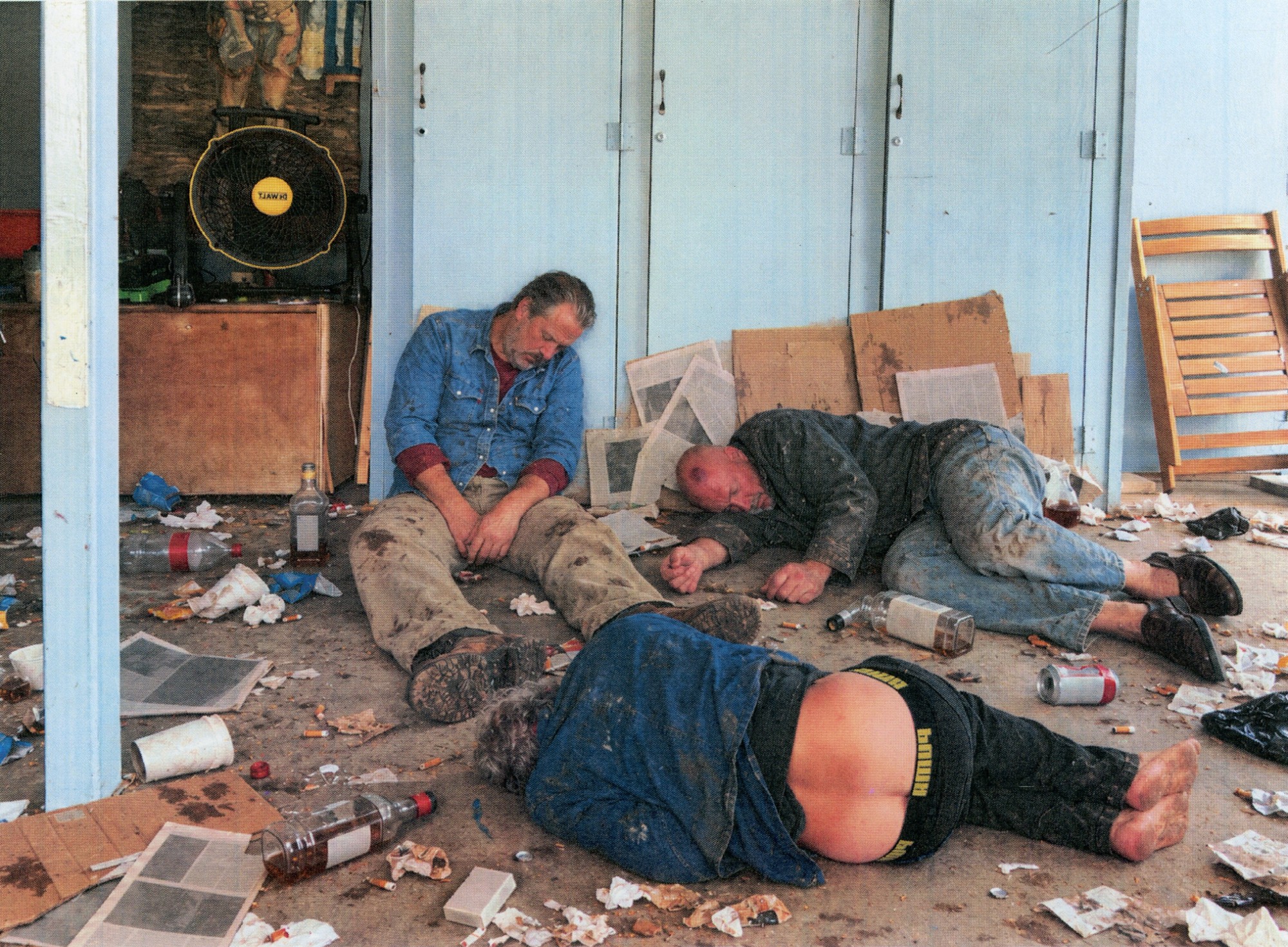
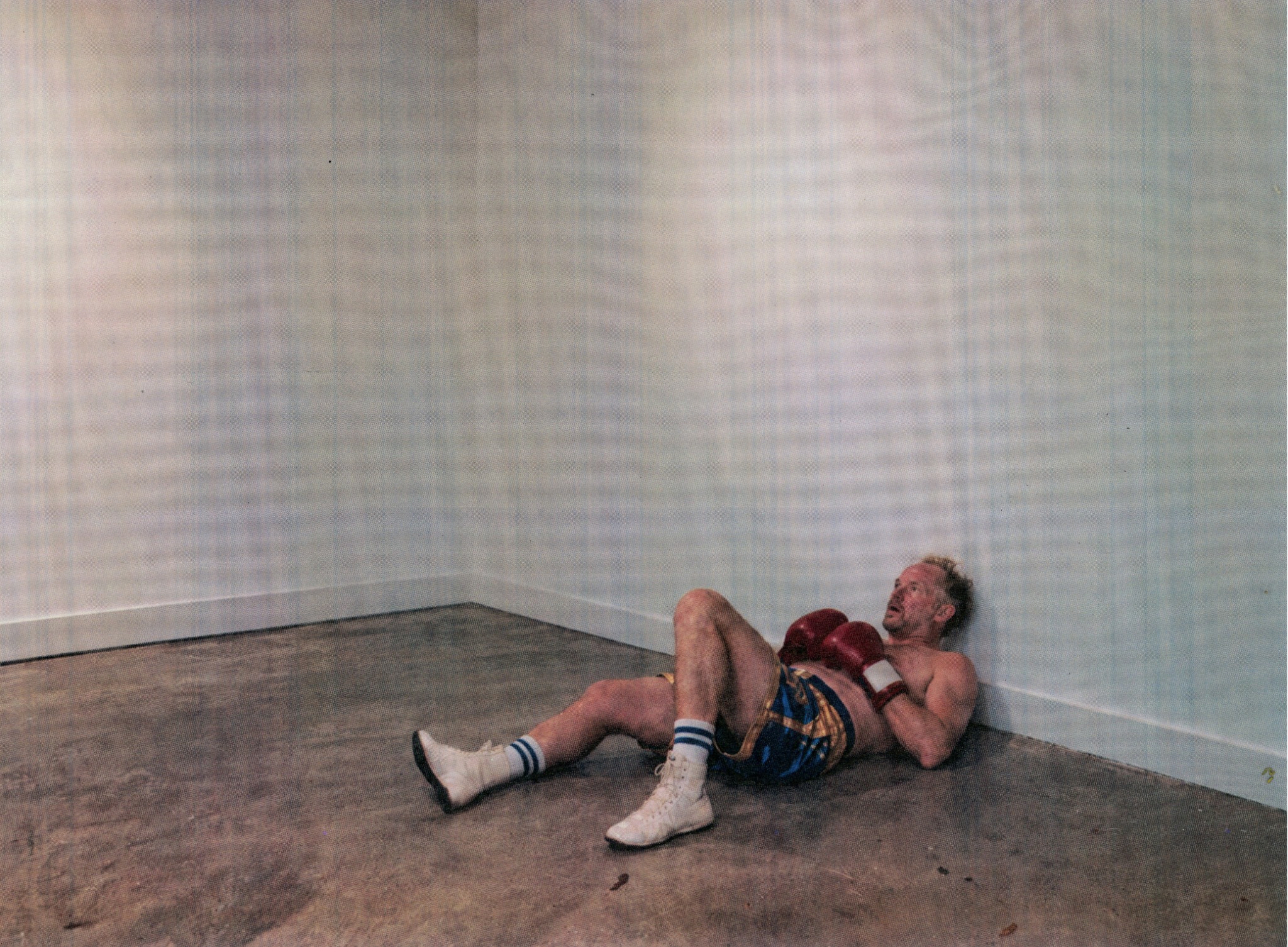
LT-001 Boxers
LT-001 · BoxersRK Whicker · 2026

Less Than Reality began with a fairly direct act: I used my own body to restage poses taken from photographs of hyperrealist sculpture. The project started as a response to a larger culture of repetition—remade films, new music engineered to sound old, and images of the future that still seem trapped inside earlier ideas of what the future should look like. I wanted to begin inside that condition rather than outside it. By restaging already mediated images through my own body, I was not trying to recover originality so much as test what could still happen through repetition.

Those early images now feel less like acts of self-preservation than the beginning of a loss. I photographed my performances and then altered them through digital editing and AI-based manipulation. The resulting figures still depended on my body, my pose, my camera, and my decisions, but they increasingly ceased to look like me. What emerged was not a stable self-portrait, but a gradual separation between bodily origin and visible identity. The project began to ask whether a self-portrait can survive once resemblance starts to disappear, or whether selfhood in the image is already being dispersed into process, substitution, and revision.

That question became more complicated when I began allowing a synthetic version of myself to take my place. This “synthetic artist” was generated from my appearance but was no longer simply a photograph of me. It could appear in performance images instead of my own body, stand in for me, and then be altered again. I remained responsible for the initial idea, the staging, the selection, the manipulation, and the final form, but parts of the work were increasingly delegated to a generated surrogate. The distinctions between artist, model, subject, and stand-in became unstable. The project no longer revolved only around whether an altered image of me was still a self-portrait, but around what happens when a substitute derived from me begins to perform that role in my place.

The museum emerged as an attempt to restore coherence to that instability. I began producing source records, witness photographs, identity files, condition reports, handling documents, reconstructions, surveillance views, and catalog entries. Eventually I built the Robert Milkwood Thomas Museum of Art as the institutional structure that could contain them. In one sense, the museum was an effort to regain a sense of self through classification, documentation, and administrative order—to stabilize figures whose identities had already begun to drift. But the institution did not resolve that drift. It reproduced it. As the archive expanded, manipulated photographs could become sculptural objects, altered figures could acquire biographies, and reconstructions could begin to compete with their supposed sources. The structure built to preserve identity became another mechanism for transforming it.

I am also aware that most viewers will not experience every part of the project. Some may encounter only a single image, an object record, a surveillance feed, or one page of the museum before moving on. I do not see that partial encounter as a failure of the work. The project exists in a digital environment where attention is fragmented and access is uneven, and that condition has become part of its structure. The complete archive is there for anyone who chooses to follow it, but no single viewer is required to reconstruct the whole system in order for the work to function.

I now see Less Than Reality as a project about loss, substitution, and attempted recovery. The early self-images do not preserve the self; they initiate its fragmentation. The museum is built to contain that fragmentation, yet it becomes unstable in turn, and eventually the system begins to privilege a synthetic version of the artist once enough information has been fed into it. The more data, decisions, images, and records I give the structure, the more capable it becomes of replacing me. The artist tried to preserve their identity and sense of self through images and institutions, but instead constructed a system that continued without the original body and produced a substitute to take their place.

Exhibition

Less Than Reality
RK Whicker
Robert Milkwood Thomas Museum of Art

Curatorial note

Less Than Reality begins with the artist’s own body, used to restage poses drawn from photographs of hyperrealist sculpture. These early performances establish a direct physical connection between artist and image, but that connection is immediately subjected to erosion. Through digital editing and AI-based manipulation, the recognizable self begins to disappear while the originating body remains embedded in posture, gesture, proportion, and photographic structure. The exhibition develops from that tension: the body is present, but identity is increasingly unstable.

As the work progresses, the artist introduces a synthetic version of himself into the process. This generated surrogate appears in performance images, occupies the place of the original body, and becomes available for further transformation. The distinction between artist, model, subject, and substitute begins to collapse. What initially resembles self-portraiture becomes a more complicated investigation into whether selfhood can survive repeated acts of substitution. The synthetic artist is not simply an altered likeness; it functions as a replacement body capable of continuing the artist’s role within the work.

The Robert Milkwood Thomas Museum of Art emerges in response to this loss of coherence. Through source records, witness images, identity files, condition reports, handling documents, reconstructions, surveillance views, and catalog entries, the institution attempts to stabilize figures whose identities have already begun to drift. Classification, documentation, and administrative order offer the appearance of continuity. Yet the museum ultimately reproduces the instability it is meant to contain. Records contradict one another, reconstructions compete with their sources, and manipulated photographs acquire the status and history of sculptural objects.

The exhibition therefore traces a movement from self-presence to self-fragmentation, from fragmentation to institutional recovery, and from recovery to replacement. The more information the artist contributes to the system—images, decisions, performances, records, classifications—the more capable that system becomes of sustaining a version of the artist without the original body. Less Than Reality asks what happens when an archive built to preserve identity becomes a mechanism for transforming it, and when the structure created to recover the self becomes capable of producing a substitute in its place.

Works

Exhibition work LT-001
LT-001
Boxers
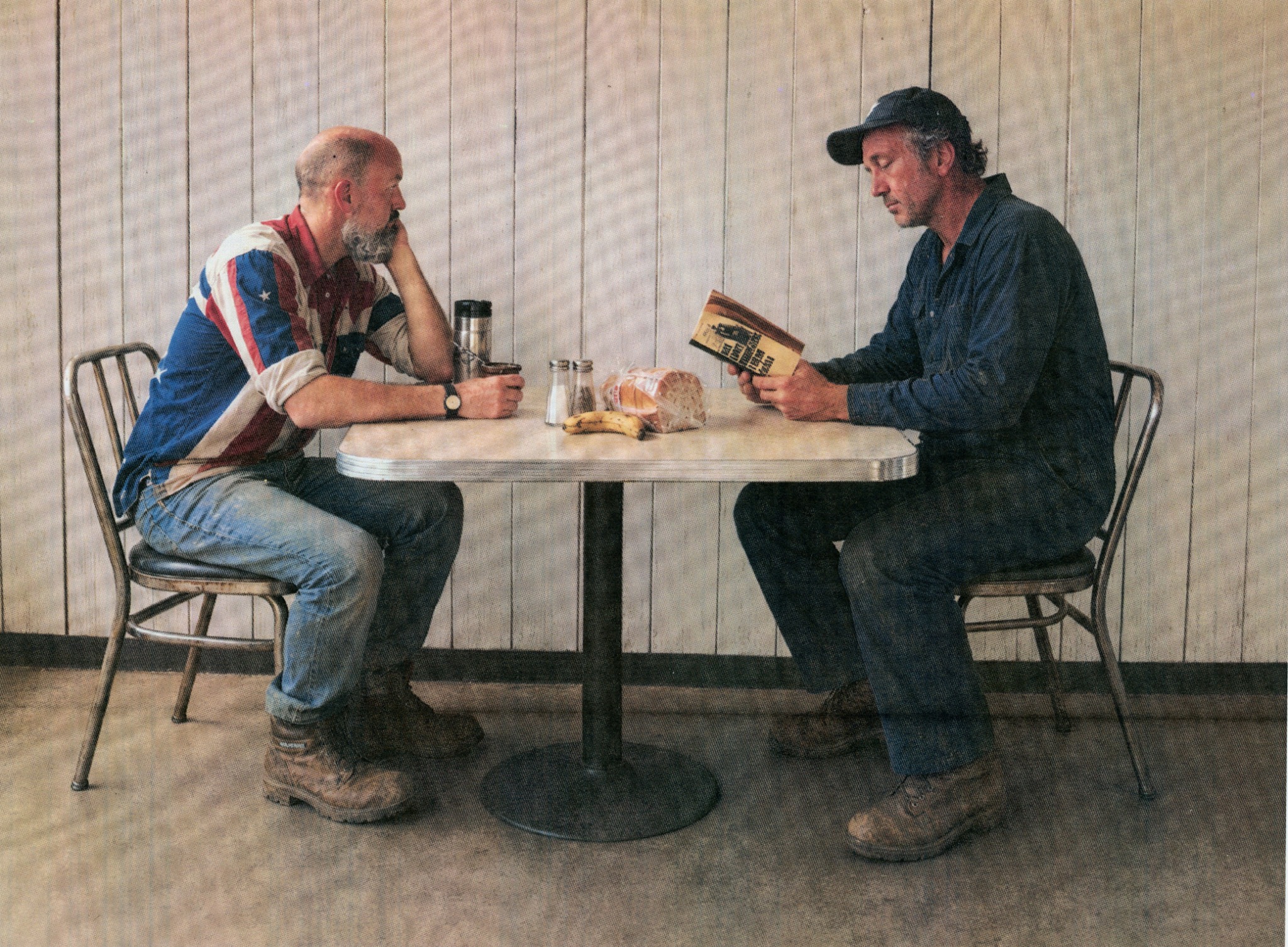
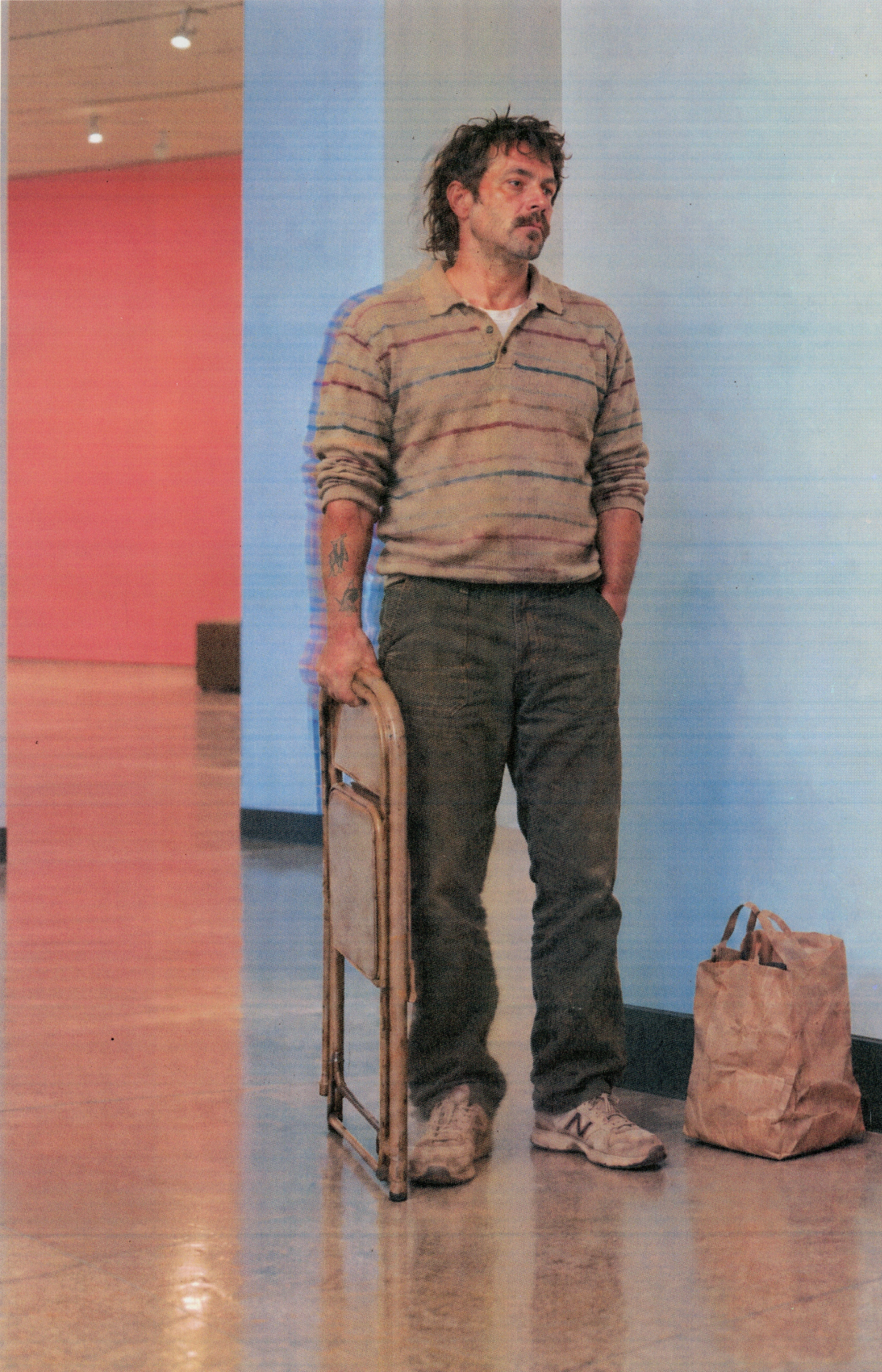
LT-002 Artist with Model
LT-002
Artist with Model
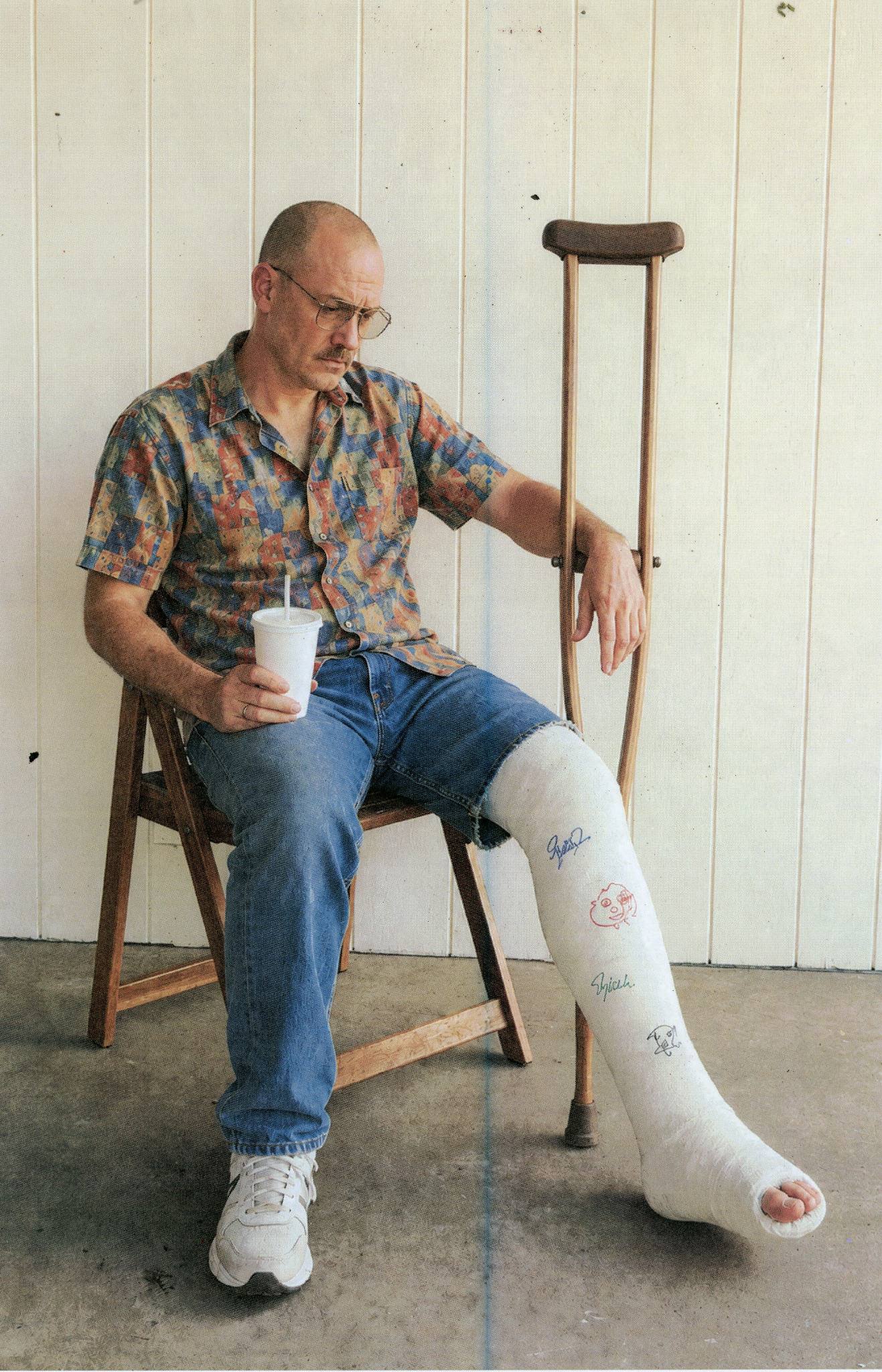
LT-003 Man Seated with Leg Cast and Crutch
LT-003
Man Seated with Leg Cast and Crutch
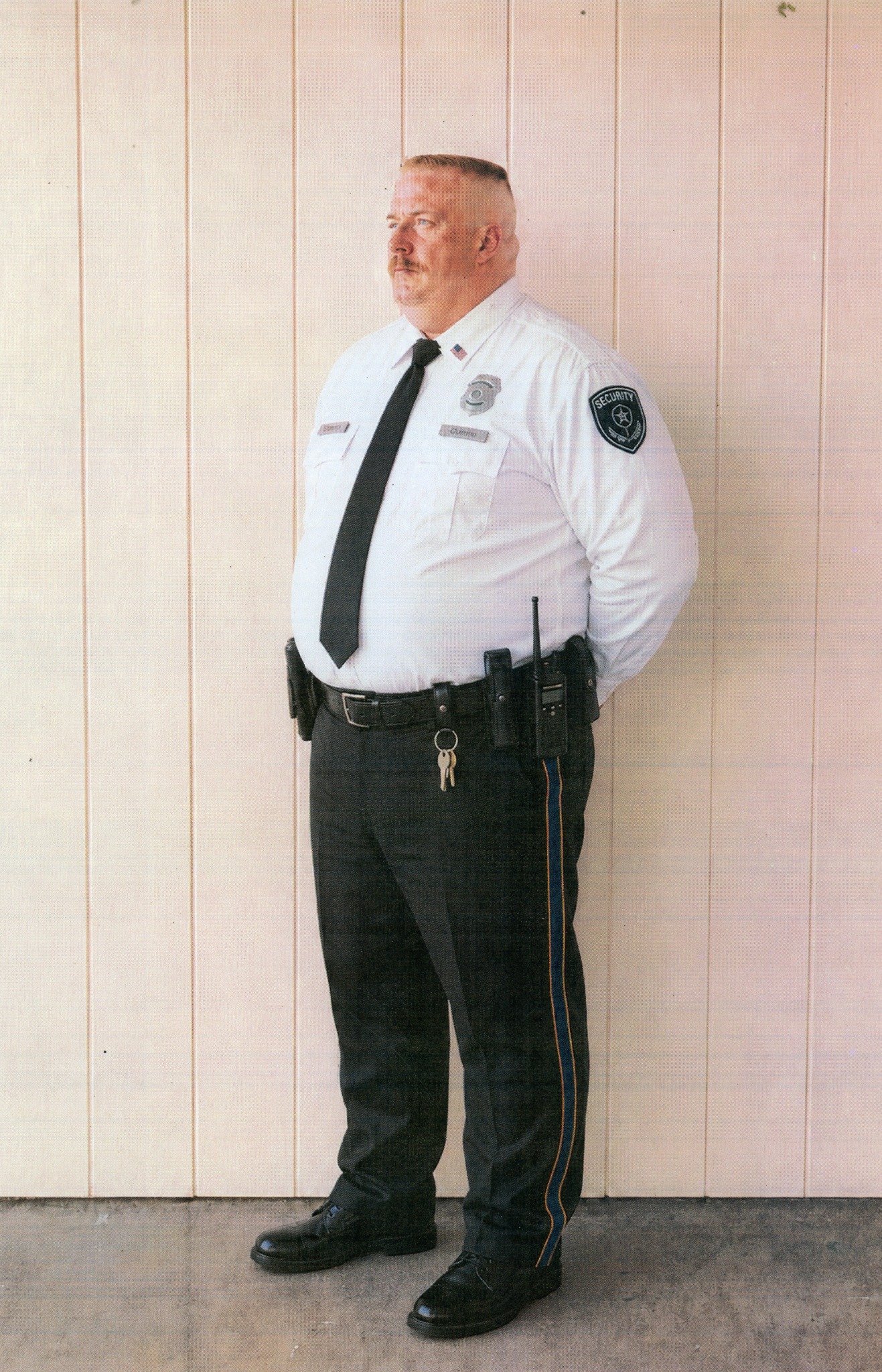
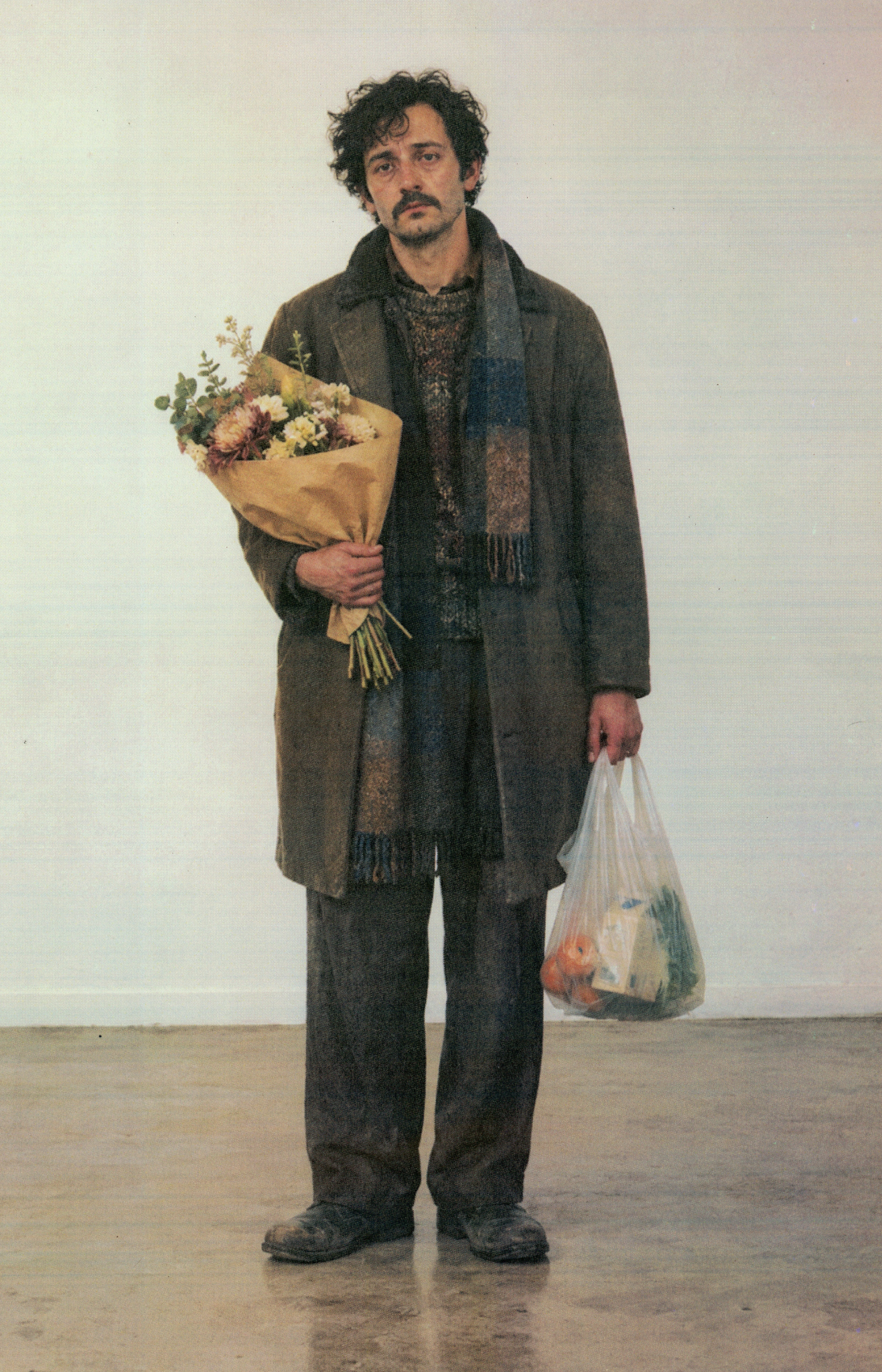
LT-004 Security Guard After Realistic Weight Gain
LT-004
Security Guard After Realistic Weight Gain
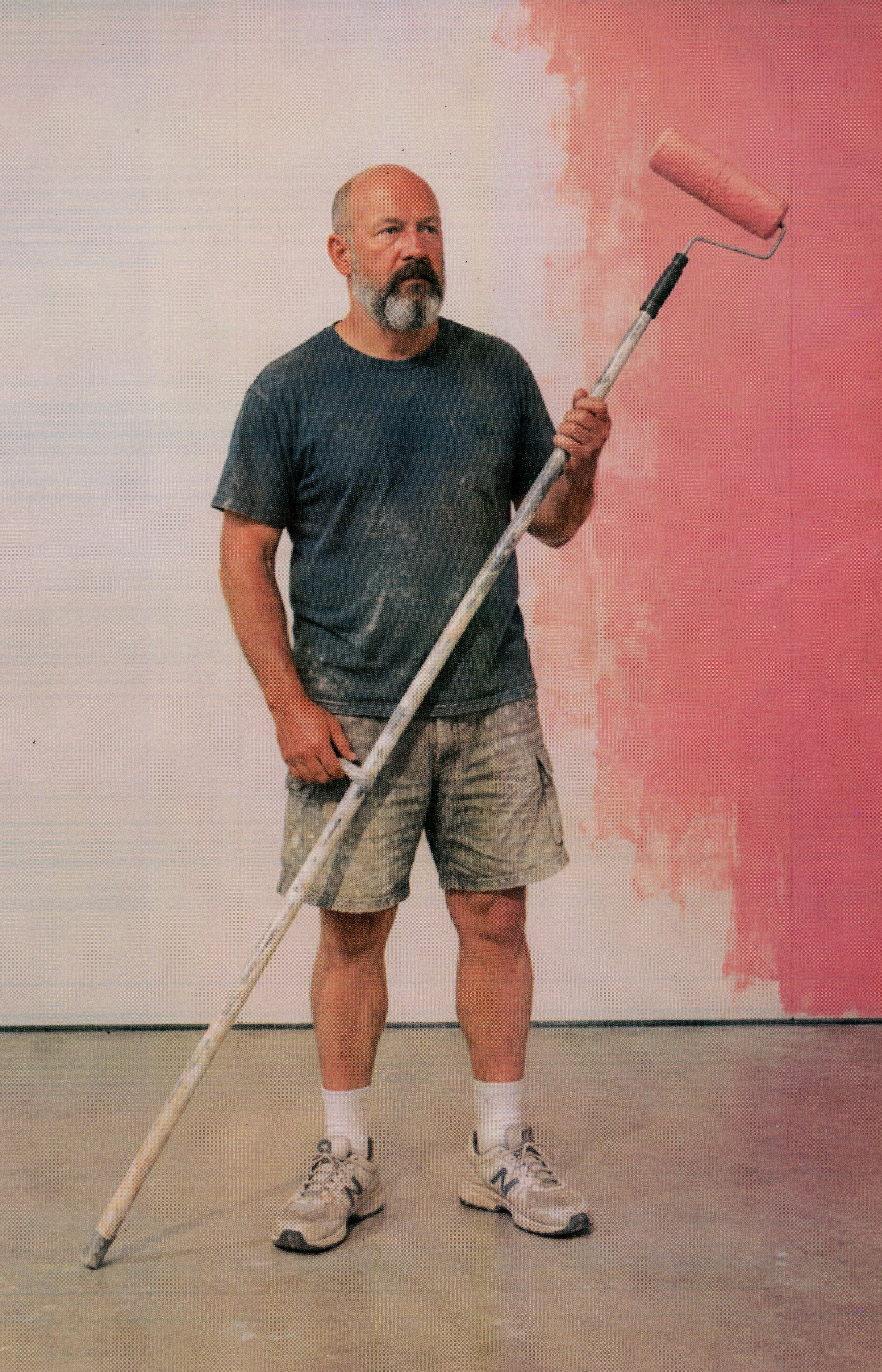
LT-005 The Artist at Work
LT-005
The Artist at Work
LT-006 Dance II
LT-006
Dance II
LT-007 Assembly
LT-007
Assembly
LT-008 Stand-In
LT-008
Stand-In
LT-009 Occupant
LT-009
Occupant
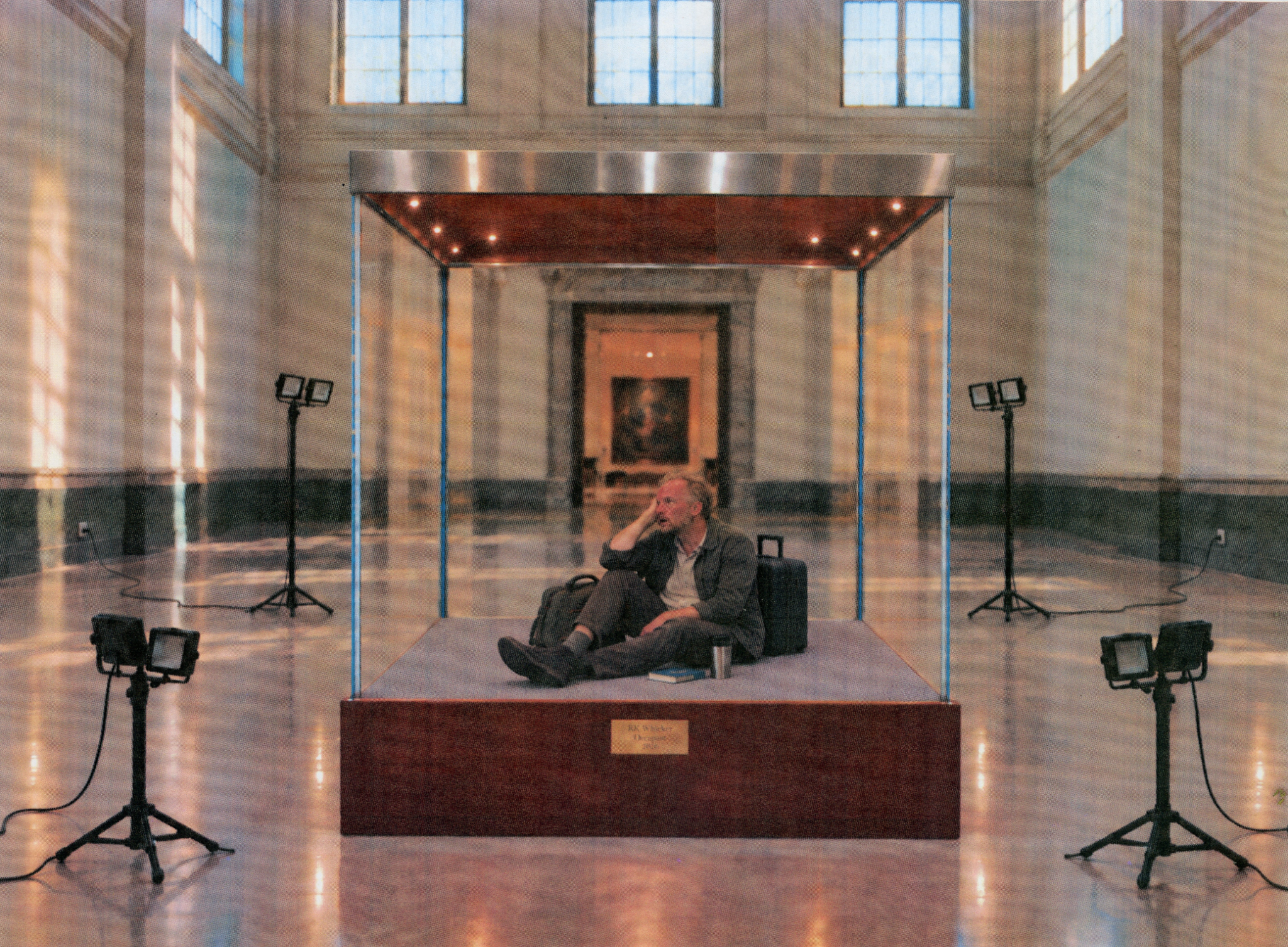
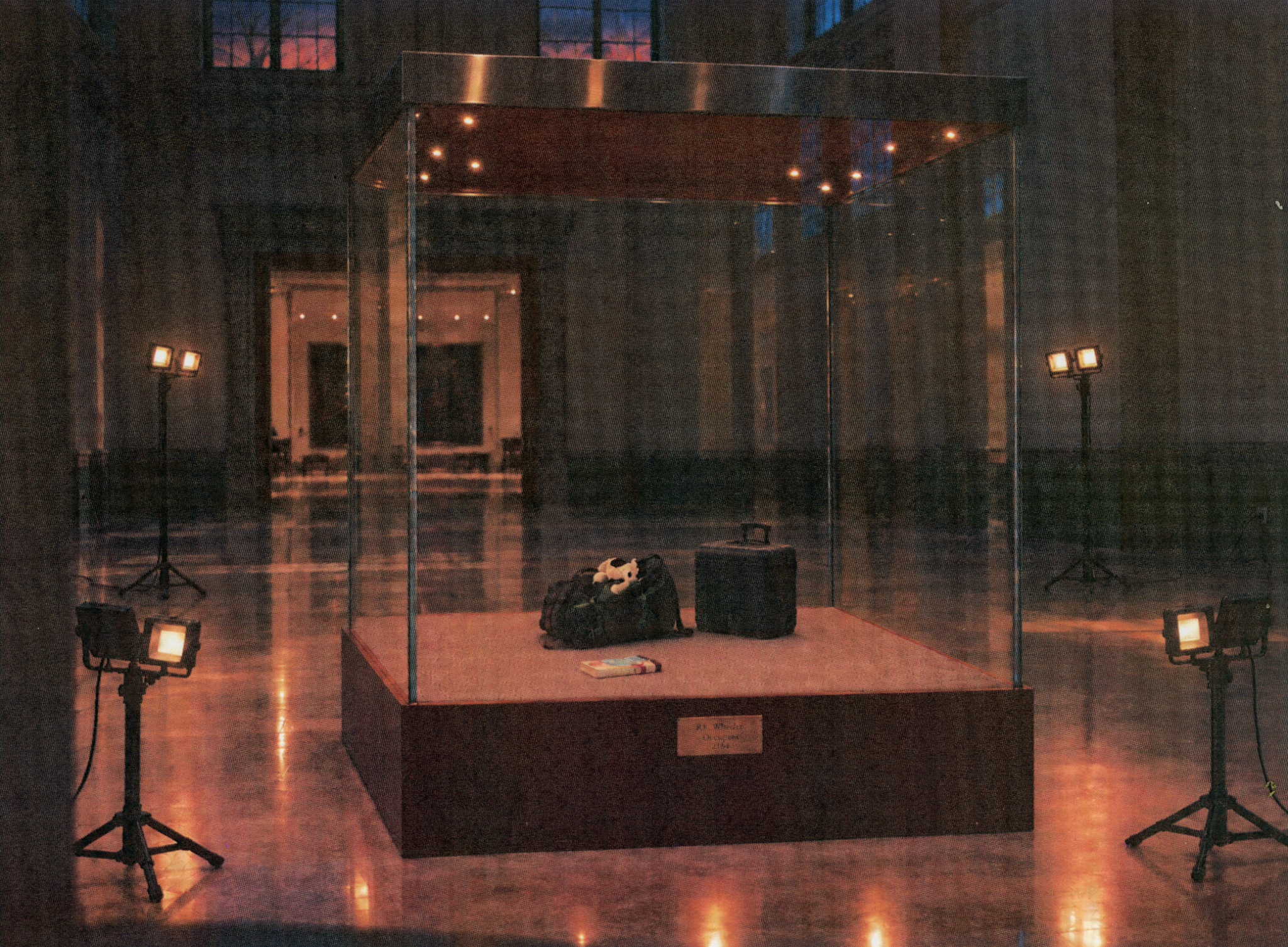
LT-010 In Transit
LT-010
In Transit

ABOUT

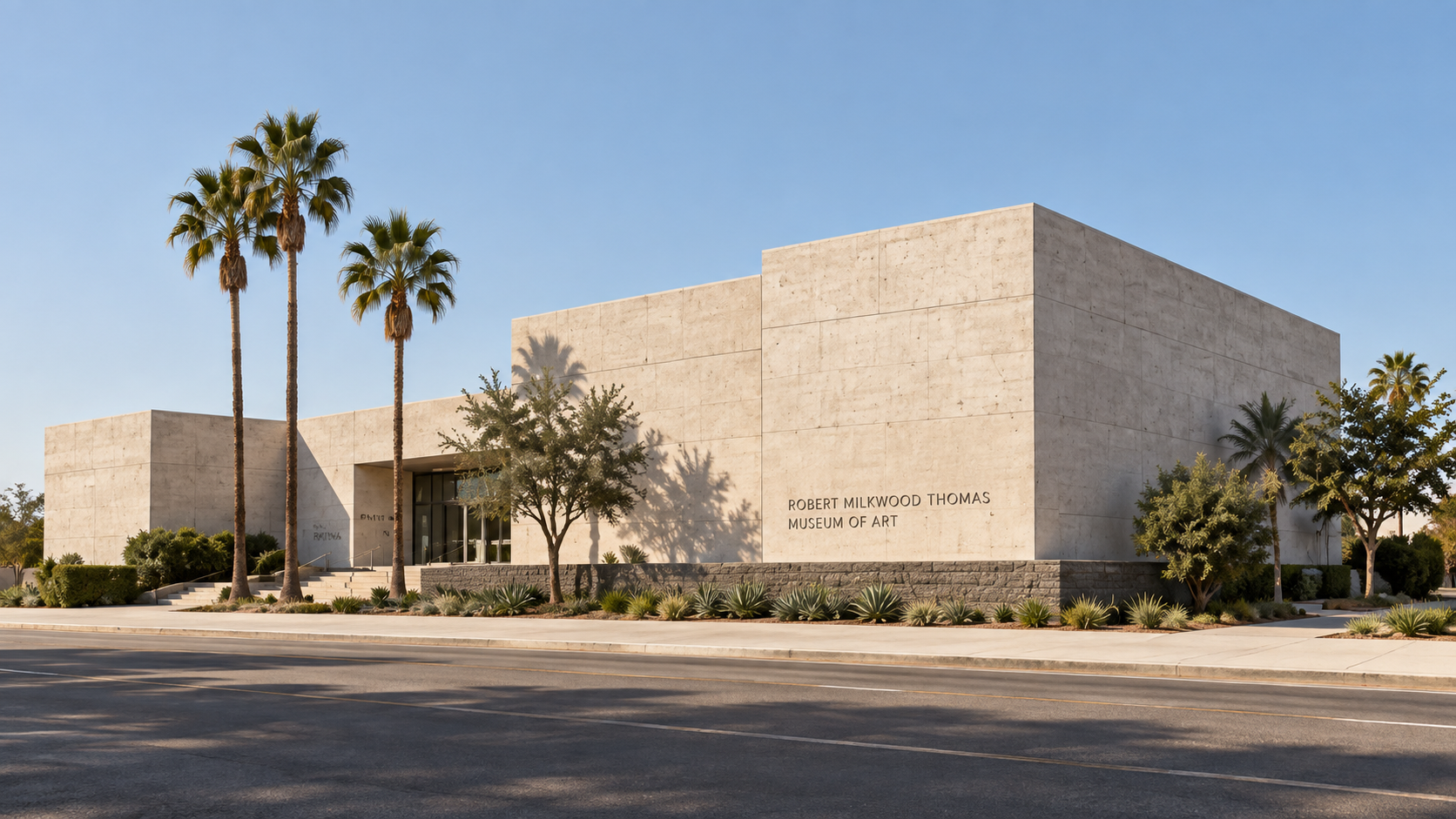
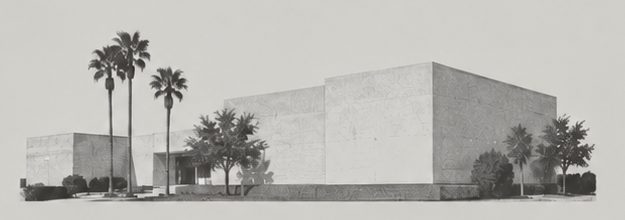
Robert Milkwood Thomas Museum of Art exterior

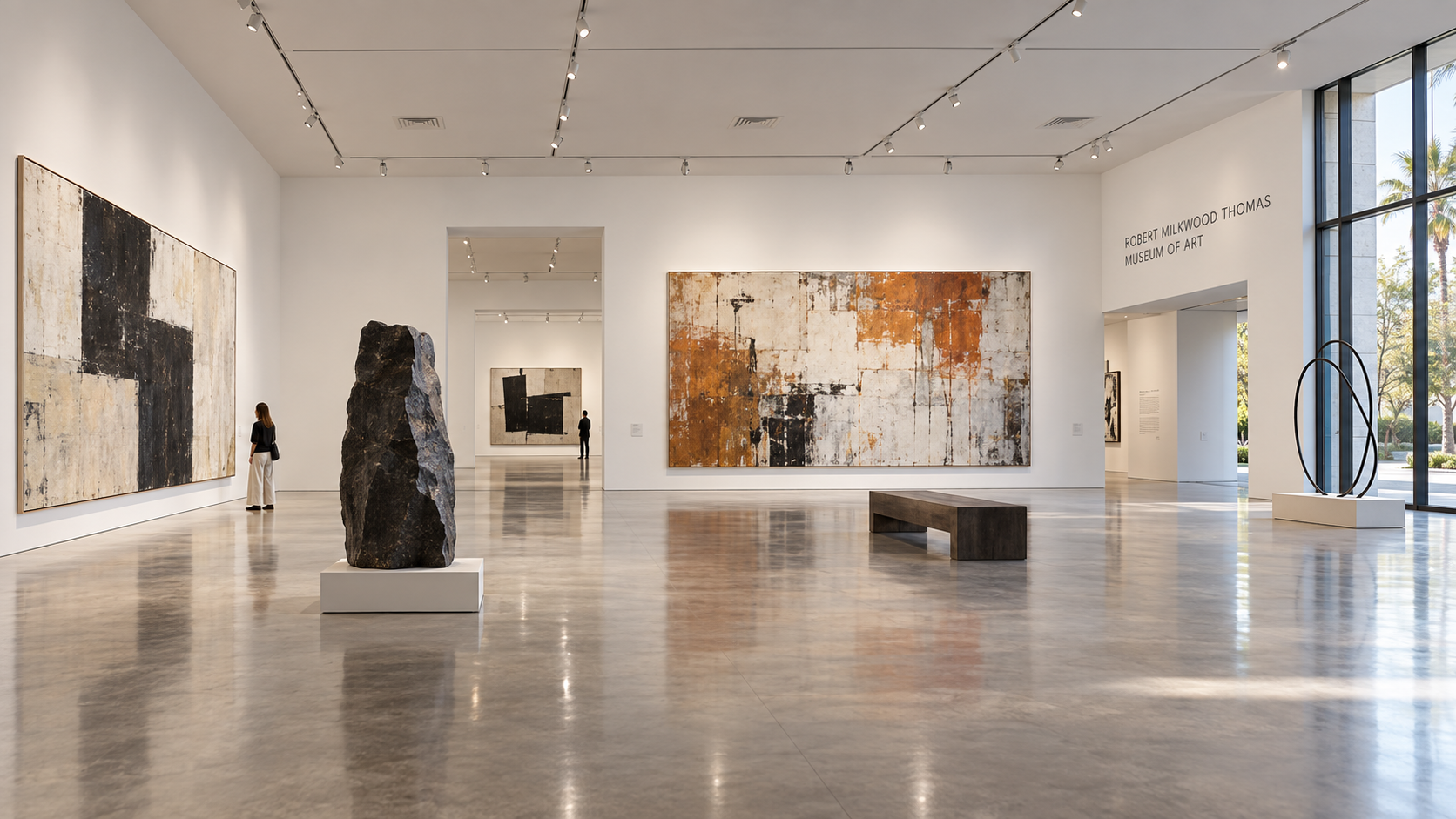
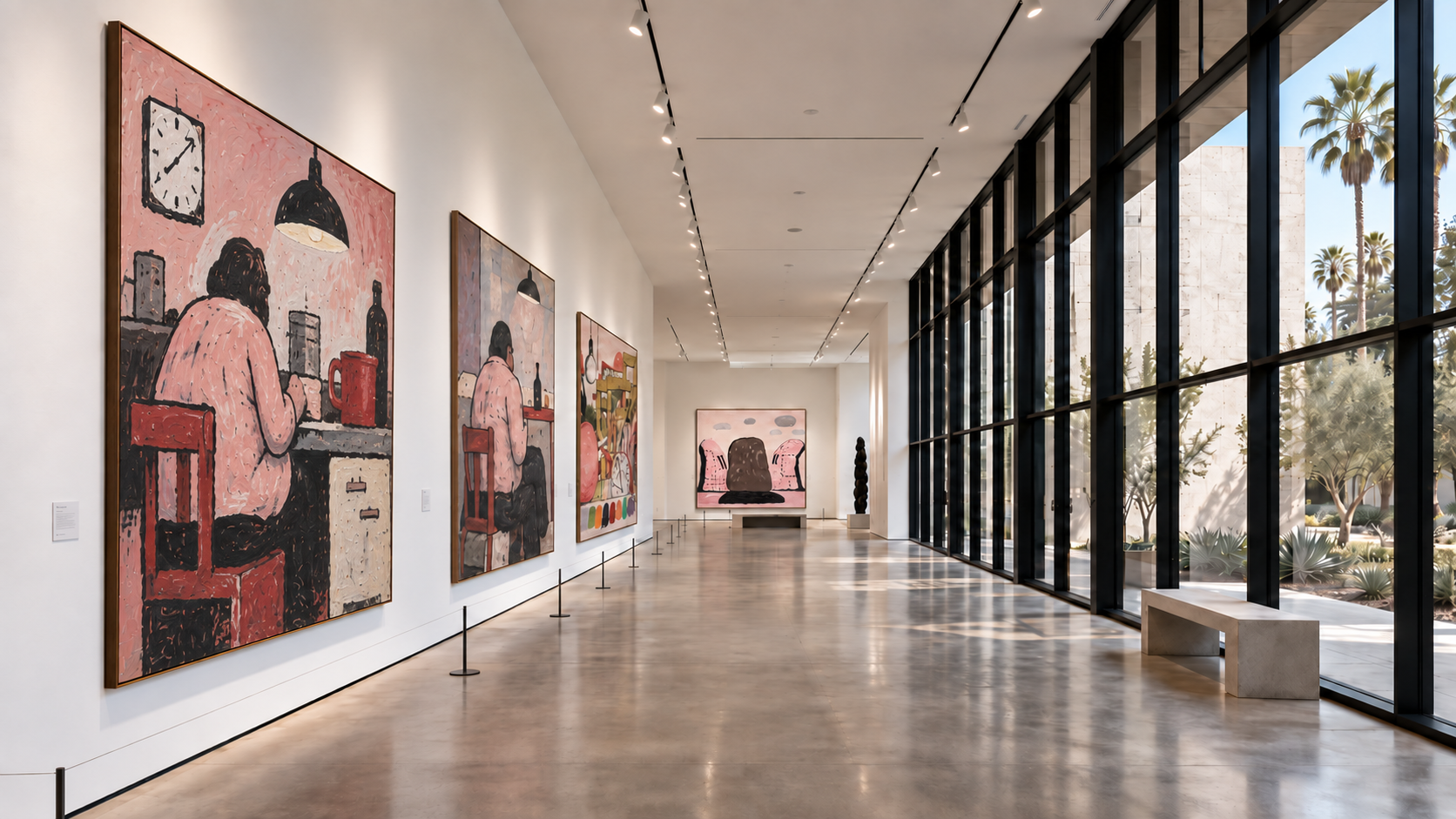
The Robert Milkwood Thomas Museum of Art is a contemporary art institution in Orlando, Florida, dedicated to the presentation, preservation, and study of modern and contemporary art. The Museum’s campus brings together galleries, collection storage, research facilities, public programs, and administrative spaces within a single interconnected site designed to support both exhibition and long-term stewardship.

The Museum maintains a growing collection spanning sculpture, painting, photography, moving image, installation, and archival material, with particular attention to works concerned with the figure, representation, material culture, and the changing conditions under which images are produced and understood. Exhibitions are drawn from the permanent collection as well as loans, commissions, and collaborative projects with artists and other institutions.

Since its founding, the Robert Milkwood Thomas Museum of Art has organized exhibitions drawn from its permanent collection as well as loans, commissions, and collaborative projects. These have included Edwin Johns: A Retrospective (2012), Cristiane Nascimento: Trevo de Cinco Folhas (2015), Crow: Ghosts (2023), Zak Tustont: Trash Critters (2024), and Mara Voss: The Shape of Waiting (2025). Spanning sculpture, painting, photography, moving image, installation, and archival material, these exhibitions have helped shape the Museum’s evolving program and its engagement with contemporary artistic practice. A number of projects have been accompanied by publications, lectures, educational programs, and related research.

In addition to its exhibition program, the Museum supports research, conservation, collection access, educational initiatives, public lectures, publications, and institutional loans. Its archive and library preserve materials related to artists, exhibitions, acquisitions, and the histories through which works enter public memory.

Mission Statement

The Robert Milkwood Thomas Museum of Art is dedicated to collecting, preserving, studying, and presenting modern and contemporary art. Through exhibitions, research, education, and public programs, the Museum seeks to support meaningful engagement with art and to make its collections accessible to a broad and diverse audience.

Museum Spaces

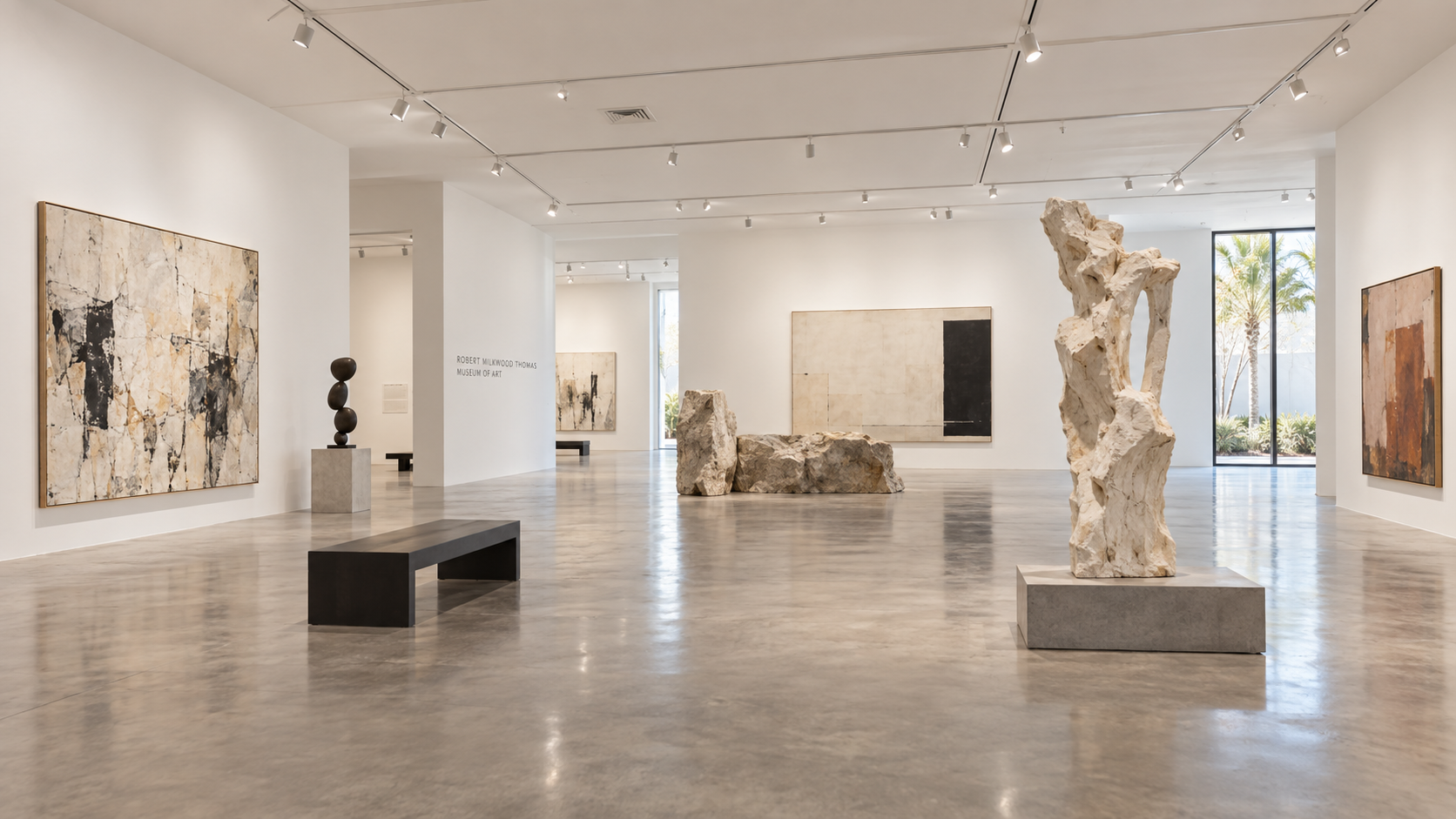
Robert Milkwood Thomas Museum of Art
ROBERT MILKWOOD THOMAS
MUSEUM OF ART

Collections Management System

ACCESS TO THIS SYSTEM IS RESTRICTED TO AUTHORIZED MUSEUM PERSONNEL.
UNAUTHORIZED USE MAY BE SUBJECT TO MONITORING.
COLLECTIONS MANAGEMENT SYSTEM

Object Records

Welcome, collections
10 OBJECTS
COLLECTIONS MANAGEMENT SYSTEM

Museum Monitoring

Camera Network
Current user: collections
Internal Access

Camera Network

--:--:--
Museum state —
Regular hours 10:00–18:00 ET
LT-002 and LT-003 have no assigned surveillance camera.

—

—
LIVE
--:--:--
COLLECTIONS MANAGEMENT SYSTEM

Institutional Records

Current user: collections